Jakob Ingebrigtsen, the double Olympic gold medalist in the 1,500m and 5,000m, underwent surgery on his left Achilles tendon in February and is now hoping to return to competition this summer. As the outdoor season kicks off in Shanghai, the Norwegian middle-distance star sat down to discuss his rehabilitation, the state of his sport, and doping concerns.
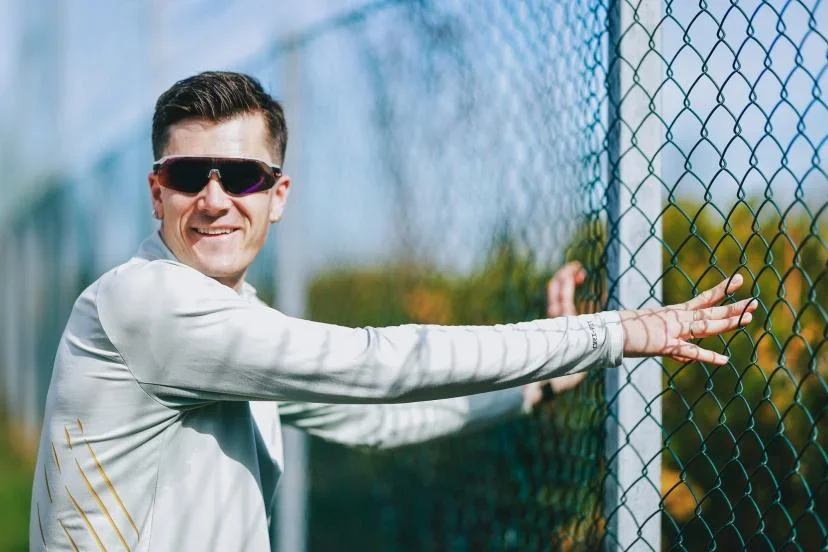
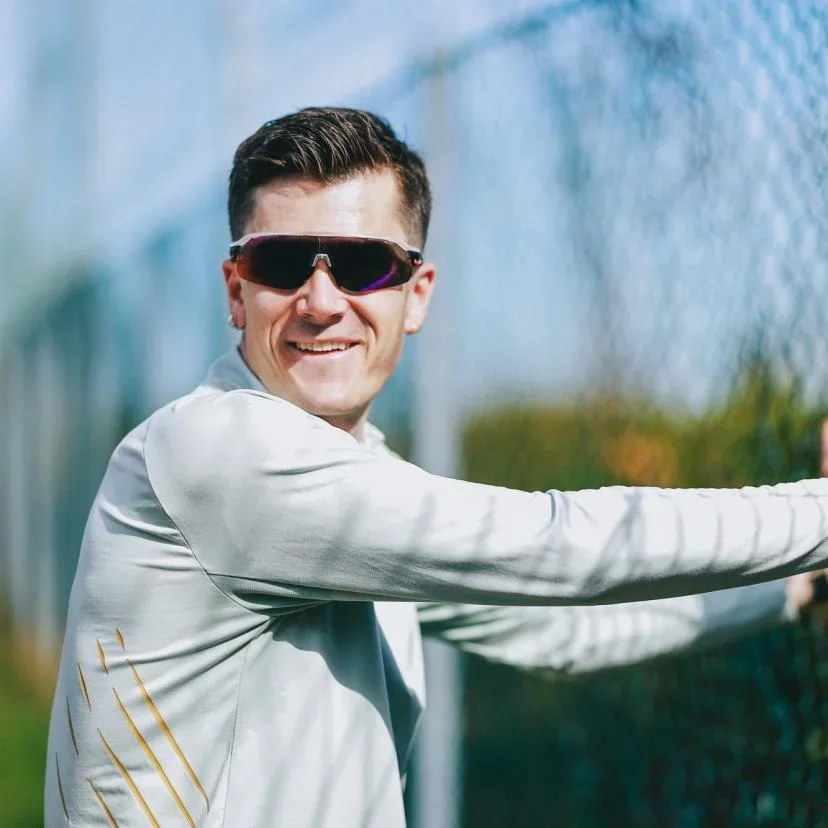
Jakob Ingebrigtsen training at home in Sandnes last April. (S. Boué/L’Équipe)
Back from a 12-kilometer jog around Sandneshallen, the 25-year-old Ingebrigtsen was working through drills and technique exercises on a sunny March morning. Operated on in early February in the United States, the double Olympic champion (1,500m in 2021, 5,000m in 2024) is taking his time, recovering at home with hopes of racing again before the end of summer. In an exclusive interview, he opened up about the challenging months behind him, praised the recent success of French runner Jimmy Gressier, and voiced sharp criticism of doping, which he believes is undermining the integrity of athletics.
**How are you feeling now?**
I feel pretty good. It’s only been 11 weeks (interview conducted on April 27) since the surgery, so it’s still very early. Given the short time frame, I think I’m doing really well. After four weeks, I was already ahead of schedule. I’ve gradually increased my volume and pace. I could have pushed a bit harder, but my brothers (Henrik and Filip) and I agreed that the risk would be too high. I’m not in a rush. I’m trying to be cautious, even though progress is fast. Last week, I ran 170 kilometers, almost 100% of my normal volume. I might be 5 to 10 kilometers short, but a big part of that was at a slow pace. I did three interval sessions on the track and three on the cross-trainer (elliptical). So even with high volume, only half of it is really high-quality. The mileage probably won’t increase much more, but the pace and intensity will. Aerobically, I’m very strong because I maintained my fitness through cross-training and cycling. I kept a high training load. Now I just need to transfer that to running.
**Do you have any pain in the tendon?**
My Achilles tendon is doing very well. The problem wasn’t the tendon itself, but a kind of fluid pocket (sheath) that caused stiffness. I’m very careful with my pre-run preparation—stretching, strength work. I feel it improving a little each week. After a long period without running, everything needs to readjust to normal load. It can get stiff, so I have to be careful, but it’s progressing steadily.
**Surgery is always risky, especially with the Achilles. Why did you choose that route?**
You never want to have surgery. You have to calculate everything carefully. But we chose surgery because the problem was worse in January than in summer. At that point, there was really no other choice. I had the operation in the U.S. (Palo Alto, California) because my brother Henrik had the same issue in 2022 when we were in Flagstaff (Arizona). The procedure was low-risk because they didn’t touch the Achilles tendon itself—they just removed the sheath (about five centimeters). It had become thickened, scarred, and rigid. Now it’s normal, and the problem shouldn’t come back.
**Do you have a target date for return, given you haven’t raced since the Tokyo World Championships last September (10th in the 5,000m)?**
I don’t want competition to influence my rehab. But when I’m ready to run, I’ll take risks, of course. I hope to compete in the second half of summer (the European Championships are scheduled for August 10–16), but at what level, I don’t know yet. The most important thing for me is to get back to normal training. And I know that to run fast, I need to train. After all I’ve lost, it’s not enough to just return to normal volume—I also need to maintain that level for several months. So we’ll see when the time is right. I have no deadline or planned competition right now.
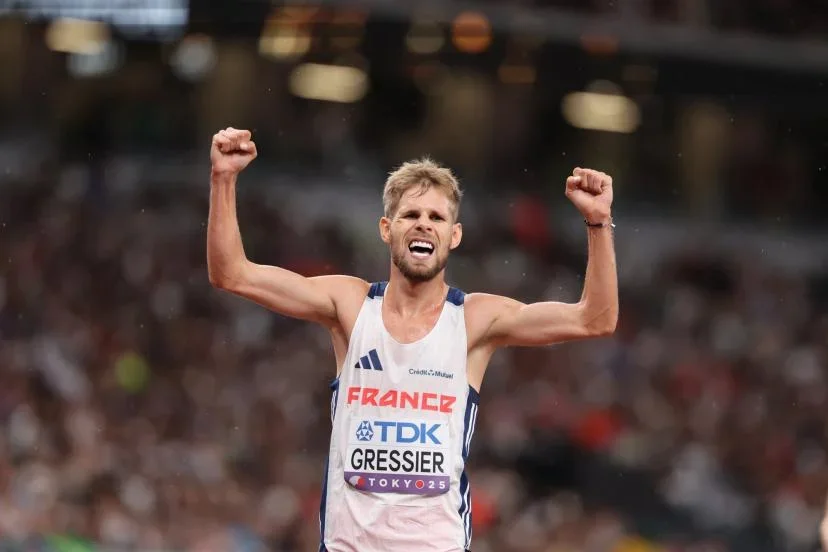
**At the last World Championships, Jimmy Gressier became world champion in the 10,000m. French middle-distance running is on the rise. What are your thoughts?**
It all comes down to dedicating your life to a goal. Maybe that was missing in France, partly because of the dominance of some athletes, making it seem impossible to win. When something seems impossible, people don’t even try, and they certainly don’t dedicate their lives to it. Now we see Europeans, Americans, and others committing themselves to this sport because they’ve seen it’s achievable. Jimmy becoming world champion proves that no matter where you come from, it all comes down to training, discipline, and preparation. Jimmy has done the necessary work for years. I was racing against him in 2016, and he’s still running today. With ten years of high-quality training, it’s logical to become a great runner. It’s inspiring to see.
**Gressier cited anti-doping efforts as a factor in his success. Do you agree?**
Anti-doping authorities are doing good work, but there’s a sense that they’re limited. What strikes me is the silence. Why isn’t anyone talking? You see videos on social media of U.S. college athletes saying they see performance-enhancing drugs in locker rooms. The level in American colleges is sometimes higher than at the World Championships. How is that possible? Today, doping is much more sophisticated than in the past. It’s no longer the massive, obvious doping of old. It’s subtle, precise, sometimes almost undetectable. That’s what makes the situation so complex. Doping is no longer a shortcut—it has become a supplement. That’s the difference. If you dope and train extremely well, you get incredible performances. Fifteen years ago, doping could be a shortcut. Now everyone trains extremely well, eats well, sleeps well, optimizes recovery. The general public perception is that everyone dopes. And that’s dangerous, because young athletes start to believe it’s normal. It’s tragic. It’s not just about winning. It’s about integrity, personal progress, and seeing how far you can go naturally.